

Exploring cultural perspectives on gambling in the world A chicken road 2 guide
Cultural Attitudes Toward Gambling
Gambling holds diverse meanings across various cultures, often reflecting societal values and historical contexts. In some regions, it is celebrated as a form of entertainment, providing a communal atmosphere where individuals gather for enjoyment. Conversely, in other cultures, gambling is viewed with skepticism and regarded as a vice that can lead to personal and societal issues. This dichotomy highlights how deeply ingrained cultural beliefs shape attitudes toward gambling activities, including games like chicken road 2.
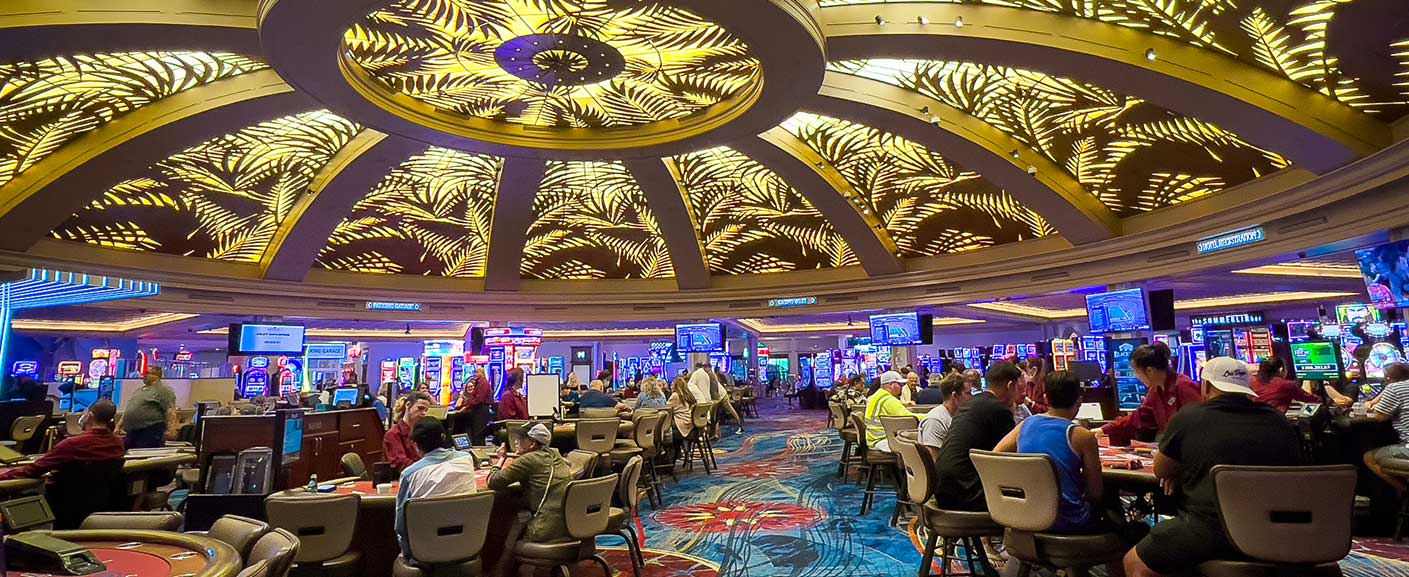
For instance, in countries like Japan, traditional games such as Pachinko intertwine with cultural significance, while in the United States, a robust casino industry flourishes, often linked to notions of freedom and capitalism. These varying perspectives on gambling not only influence regulations but also impact how individuals engage with games, making the exploration of cultural nuances essential, especially with options like chicken road 2.
The Role of Gambling in Social Interaction
Gambling often serves as a social lubricant, fostering connections among players. In many cultures, the act of betting or playing games can break down barriers and encourage camaraderie. This social aspect is particularly visible in communal games, where stakes are low, allowing participants to bond over shared experiences. Events like poker nights or local betting games create a sense of community that transcends mere monetary gain.
Moreover, in cultures where gambling is integrated into celebrations or festivals, it further enriches social interactions. For example, during Lunar New Year festivities, games of chance are played to symbolize prosperity and good fortune, thus embedding gambling into the cultural fabric and reinforcing relationships among participants.
The Psychological Impact of Gambling
The psychological effects of gambling can vary significantly depending on cultural perspectives. In some societies, gambling is perceived as a thrilling pastime that can elevate one’s mood and provide an escape from daily stresses. The excitement and anticipation that accompany games can lead to a rush of adrenaline, which many find exhilarating. However, for others, especially in cultures that stigmatize gambling, partaking in such activities might lead to feelings of guilt or anxiety.
Understanding these psychological dimensions is crucial, as they inform how individuals approach games like chicken road 2. Players drawn to the thrill often seek out engaging experiences that provide both entertainment and social interaction. Conversely, those wary of gambling might be more inclined to participate in risk-free simulations before committing to real monetary stakes.
Regulatory Differences Across Cultures
The legal landscape surrounding gambling varies widely across cultures, influenced by local beliefs and governmental policies. In some countries, such as the United Kingdom, gambling is heavily regulated but widely accepted, allowing for a robust industry complete with licensed casinos and online platforms. In contrast, nations with strict prohibitions often face underground gambling activities, reflecting a cultural clash between modern entertainment desires and traditional values.
These regulatory differences not only impact how gambling is conducted but also affect the gaming experience of individuals. For example, in regions where online gambling is permissible, players have access to a wider array of games and betting options, enhancing their overall experience. Conversely, in areas where regulations are stringent, players might seek alternative avenues for engagement, highlighting the need for adaptable gaming solutions.

Exploring Chicken Road 2 and Its Cultural Appeal
Chicken Road 2 stands out as an engaging game that embodies the thrill of gambling without the heavy stakes, making it appealing across different cultural backgrounds. Designed for quick, entertaining gameplay, it allows players to immerse themselves in a fun environment, encouraging participation regardless of their cultural attitudes toward gambling. The game’s low-stakes nature caters to those interested in trying their luck without the financial risks typically associated with traditional gambling.
As players navigate this quirky arcade experience, they can enjoy the excitement of quick decisions and unexpected outcomes. The ability to play for fun or for real money in a culturally sensitive environment makes chicken road 2 a unique bridge between gaming and gambling. This accessibility can contribute to a greater understanding of cultural perspectives on gambling, fostering conversations around its place in modern society.