

Understanding the psychology behind gambling What drives our desires
The Allure of Chance
The psychology of gambling is deeply intertwined with our intrinsic attraction to risk and uncertainty. The allure of chance captures our imagination, appealing to the thrill-seeker within us. This excitement, often referred to as “gambling euphoria,” can create a sense of exhilaration that is difficult to resist. For many, the anticipation of winning becomes a powerful motivator, pushing them to engage in gambling activities despite the inherent risks involved. Many turn to resources like top offshore casinos to maximize their excitement and potential rewards.
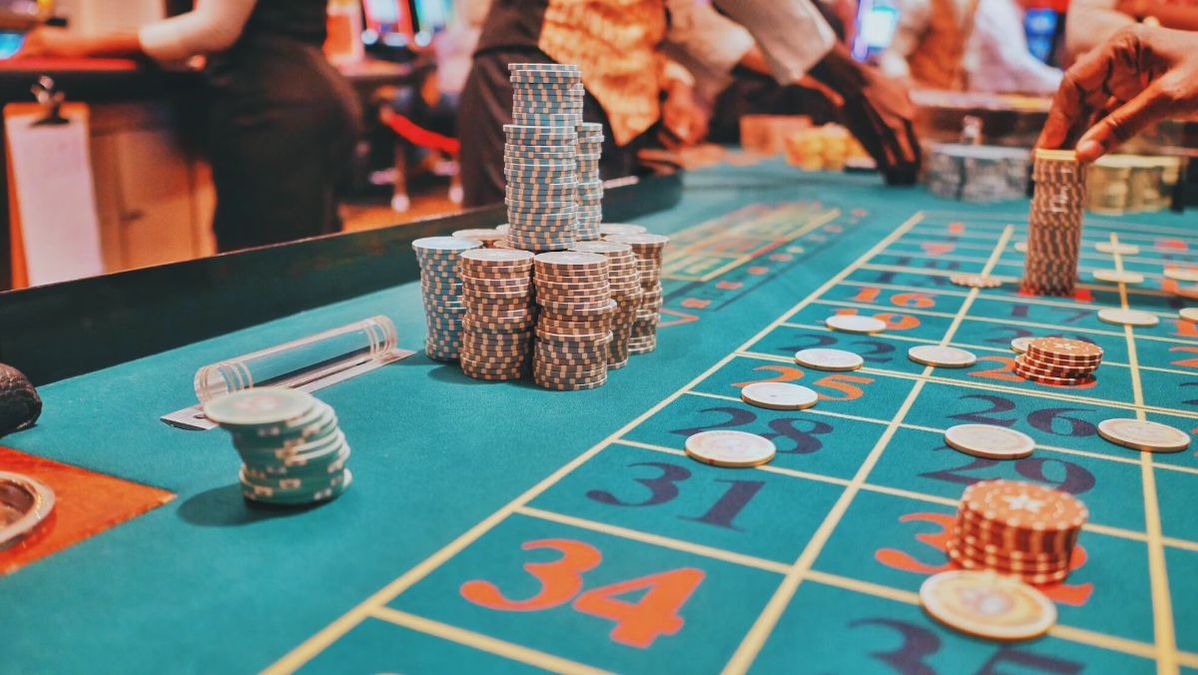
Moreover, this allure is amplified by the unpredictable nature of gambling outcomes. The possibility of winning big, paired with the uncertainty of loss, activates our brain’s reward system. This response is rooted in dopamine release, which reinforces the behavior and drives players back to the tables or machines for another chance at that fleeting high.
The Role of Cognitive Biases
Cognitive biases significantly influence our gambling behavior, often leading us to make irrational decisions. One such bias is the “gambler’s fallacy,” where individuals believe that past outcomes affect future ones in random events. For example, a player might think that after several losses, a win is due, which can lead to increased bets and riskier behavior.
Additionally, confirmation bias plays a role, as gamblers tend to remember their wins more vividly than their losses. This selective memory reinforces the belief that they can control or predict outcomes, fueling their desire to gamble again. Understanding these cognitive biases can shed light on why some individuals engage in gambling despite overwhelming evidence of its risks.
Emotional Triggers and Gambling
Emotions play a crucial role in gambling behavior. Many individuals gamble to escape negative feelings, seeking solace in the thrill of the game. This emotional coping mechanism can lead to problematic gambling habits, as the temporary relief provided by gambling may become a maladaptive strategy for dealing with stress or anxiety.
On the other hand, positive emotions can also drive gambling, as the excitement of a potential win can create a euphoric state. This emotional rollercoaster can cause players to chase losses or become increasingly invested in the outcome, further complicating their relationship with gambling.
The Social Influence of Gambling
Gambling often carries social implications, as many individuals engage in it as a communal activity. The social aspect can enhance the thrill, making it more enjoyable to gamble in groups or during social gatherings. This shared experience can blur the lines between casual gambling and excessive behavior, as the desire for social connection might overshadow the recognition of risk.
Furthermore, peer pressure can significantly impact gambling decisions, leading individuals to participate in risky behavior to fit in or gain approval from friends. The combination of social dynamics and the thrill of chance creates a potent mix that can fuel gambling desires.

Exploring Resources and Information
Understanding the psychological factors behind gambling can empower individuals to make informed choices. By exploring various resources, such as articles and studies, individuals can gain insights into their motivations and potential risks. Knowledge is crucial in navigating the complex landscape of gambling, helping people to engage responsibly.
Engaging with platforms that offer information on gambling psychology and responsible practices can provide valuable support for those who might struggle with their gambling habits. This understanding can foster a healthier relationship with gambling, enabling individuals to enjoy it as a form of entertainment rather than a destructive behavior.